Why Every Business Needs a Secure Data Destruction Strategy
A firewall, antivirus software, and employee training are all important parts of protecting business information. However, many organizations overlook one critical piece of the security puzzle: what happens to data when it’s no longer needed.
A well-planned secure data destruction strategy helps businesses ensure sensitive information is properly destroyed before it can fall into the wrong hands. Whether you’re replacing computers, cleaning out file storage, or retiring outdated equipment, secure disposal procedures play a major role in reducing risk. For organizations throughout Amarillo, Lubbock, the South Plains, West Texas, and Eastern New Mexico, having a documented plan is no longer optional. It’s a smart business practice.
The Growing Importance of Data Security in Modern Businesses
Businesses collect more information today than ever before. Customer records, employee files, financial data, contracts, medical information, legal documents, and internal communications all have value. Unfortunately, that value extends to cybercriminals as well.
While most organizations focus on protecting active data, retired records and outdated devices often receive less attention. Yet those materials can contain the same sensitive information as systems currently in use.
An old hard drive, filing cabinet, or backup device can become a security risk if proper destruction procedures aren’t in place. As regulations become stricter and data privacy expectations continue to grow, organizations must think about information security from creation to final disposal.
What Is a Secure Data Destruction Strategy?
A secure data destruction strategy is a documented process that outlines how sensitive information will be securely destroyed once it is no longer needed. The goal is simple: ensure confidential information cannot be recovered, accessed, or misused after disposal. An effective strategy addresses both physical and electronic records, including:
- Paper documents
- Hard drives
- Computers
- Servers
- Backup media
- Mobile devices
- Storage drives
- Proprietary records
Rather than relying on occasional cleanouts, businesses establish consistent procedures that can be followed throughout the year. A strong secure data destruction policy creates accountability and helps eliminate uncertainty about how information should be handled.
Risks of Not Having a Data Destruction Strategy
Many organizations don’t think about data destruction until they face a storage problem or equipment upgrade. Unfortunately, waiting until the last minute can create serious vulnerabilities. Without a documented process, businesses may face:
- Increased Risk of Data Breaches: Old records and retired devices often contain sensitive information. If those materials are discarded improperly, unauthorized individuals may gain access to valuable data.
- Compliance Concerns: Many industries require organizations to protect confidential information throughout its lifecycle, including disposal. Poor destruction practices may create regulatory challenges.
- Reputational Damage: Customers trust businesses to safeguard their information. A disposal-related security incident can damage that trust and negatively affect long-term relationships.
- Operational Inefficiencies: Without clear procedures, outdated records and equipment often accumulate over time, creating clutter, confusion, and storage challenges.
In many cases, the cost of prevention is far lower than the cost of recovery after a security incident.
Protecting Sensitive Business & Customer Information
Every business handles information that should remain confidential. Depending on the industry, that information may include:
- Customer records
- Employee information
- Financial documents
- Tax records
- Legal files
- Medical information
- Proprietary business data
- Vendor contracts
- Internal communications
The challenge isn’t simply protecting this information while it’s being used. Businesses must also ensure it is destroyed securely when retention requirements have been met. A reliable secure data destruction service helps organizations eliminate information permanently rather than leaving it vulnerable to accidental exposure.
Key Components of an Effective Data Destruction Strategy
A successful program involves more than shredding documents once a year. Businesses benefit from creating a structured approach that includes several key elements.
- Data Identification: Organizations should know what information they collect, where it is stored, and how long it must be retained.
- Retention Policies: Clear retention schedules help determine when records can be securely destroyed.
- Employee Training: Staff members should understand how sensitive information must be handled throughout its lifecycle.
- Chain of Custody Procedures: Secure collection and transportation processes help prevent unauthorized access during disposal.
- Documentation: Maintaining records of destruction activities provides accountability and supports compliance efforts.
- Trusted Service Providers: Working with experienced professionals helps ensure destruction methods meet industry standards.
When combined, these elements create a stronger and more consistent security framework.
Methods of Secure Data Destruction
Different types of information require different destruction methods. Choosing the right method depends on the type of information being destroyed and the level of security required.
- Paper Document Shredding: Shredding remains one of the most effective ways to destroy confidential paper records. Professional shredding services ensure documents are rendered unreadable and unrecoverable.
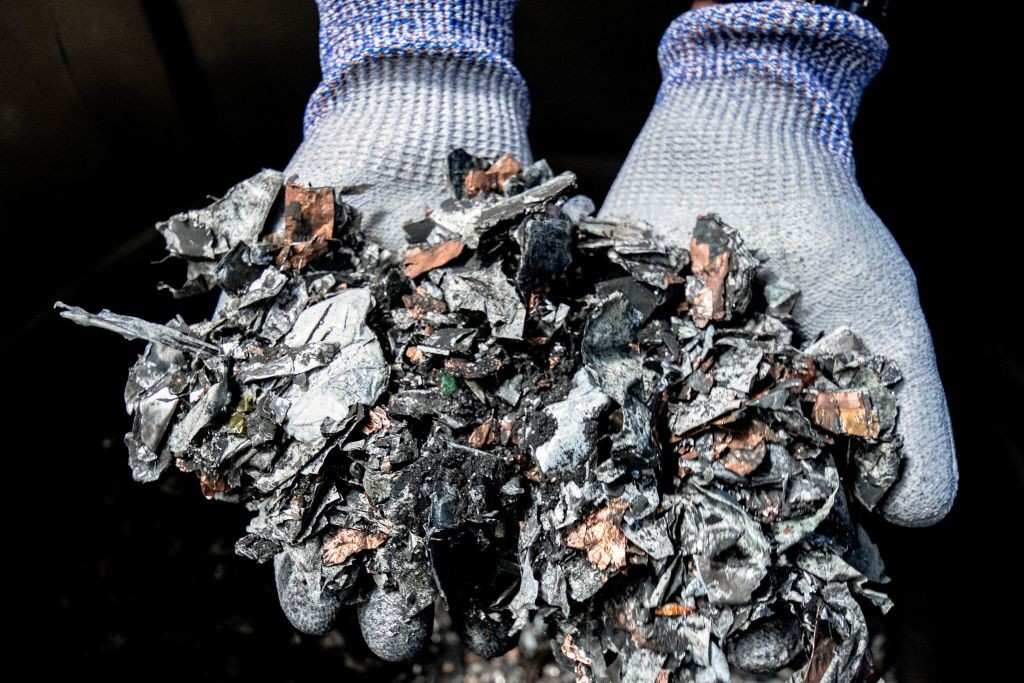
- Hard Drive Destruction: Simply deleting files is not enough. Physical hard drive destruction helps ensure electronic data cannot be recovered.
- Electronic Media Destruction: Backup tapes, flash drives, CDs, and other storage devices should also be destroyed using approved methods.
- Secure E-Waste Recycling: Many organizations combine data destruction with responsible electronics recycling to protect information while reducing environmental impact.
Business Benefits Beyond Security
Most discussions about data destruction focus on risk reduction, but there are additional benefits as well. Organizations with a strong secure data destruction policy often experience:
- Better Organization: Regular destruction programs prevent unnecessary accumulation of records and equipment.
- Improved Compliance Readiness: Documented procedures make audits and compliance reviews easier to manage.
- Increased Customer Confidence: Clients appreciate working with businesses that take information security seriously.
- Reduced Liability: Secure destruction minimizes opportunities for unauthorized access and potential legal exposure.
- Greater Operational Efficiency: A clear process eliminates guesswork and creates consistency across the organization.
The result is a cleaner, more secure, and more organized operation.
A Strong Strategy Protects More Than Data
Information security doesn’t end when records reach the end of their useful life. Without a plan, outdated documents and retired devices can become unnecessary liabilities. A well-designed secure data destruction strategy helps organizations reduce risk, support compliance efforts, and protect the trust they’ve worked hard to build. The strongest security programs address information at every stage, including final disposal.
Protect Your Information With Professional Data Destruction Services
Sensitive information deserves secure handling from beginning to end. Document Shredding & Storage Ltd. helps businesses throughout Amarillo, Lubbock, the South Plains, West Texas, and Eastern New Mexico implement dependable destruction programs that support compliance and reduce risk.
From recurring document shredding to hard drive destruction and e-waste recycling, our team provides the services businesses need to protect confidential information with confidence. To strengthen your overall information security program, consider pairing secure data destruction with scheduled document shredding and secure electronics recycling services.
Frequently Asked Questions
Many businesses know they need to protect sensitive information but aren’t sure what a complete destruction program should include. Below are answers to some common questions.
What Is a Secure Data Destruction Strategy?
A secure data destruction strategy is a documented process that outlines how confidential information will be destroyed once it is no longer needed.
Why Is a Secure Data Destruction Policy Important?
A secure data destruction policy helps businesses maintain consistency, reduce risk, and demonstrate compliance with privacy and security requirements.
What Types of Data Should Be Destroyed Securely?
Any information containing confidential business, customer, employee, financial, medical, or legal data should be securely destroyed when retention requirements have been met.
What Does a Secure Data Destruction Service Include?
Services may include document shredding, hard drive destruction, electronic media destruction, secure transportation, chain of custody procedures, and destruction documentation.
How Often Should Businesses Review Their Data Destruction Strategy?
Most organizations should review their policies annually and whenever significant changes occur in technology, regulations, or operational processes.