How Improper Computer Disposal Leads to Data Breaches
A data breach doesn’t always begin with a hacker breaking through a firewall. Sometimes it starts with an old computer sitting in a storage closet, a hard drive tossed in a recycling bin, or outdated equipment being discarded without proper safeguards.
Many organizations focus heavily on protecting active systems but overlook retired technology. Unfortunately, cybercriminals know that old devices often contain valuable information. Businesses throughout Amarillo, Lubbock, the South Plains, West Texas, and Eastern New Mexico can reduce risk by understanding how the improper disposal of used computers creates opportunities for data theft.
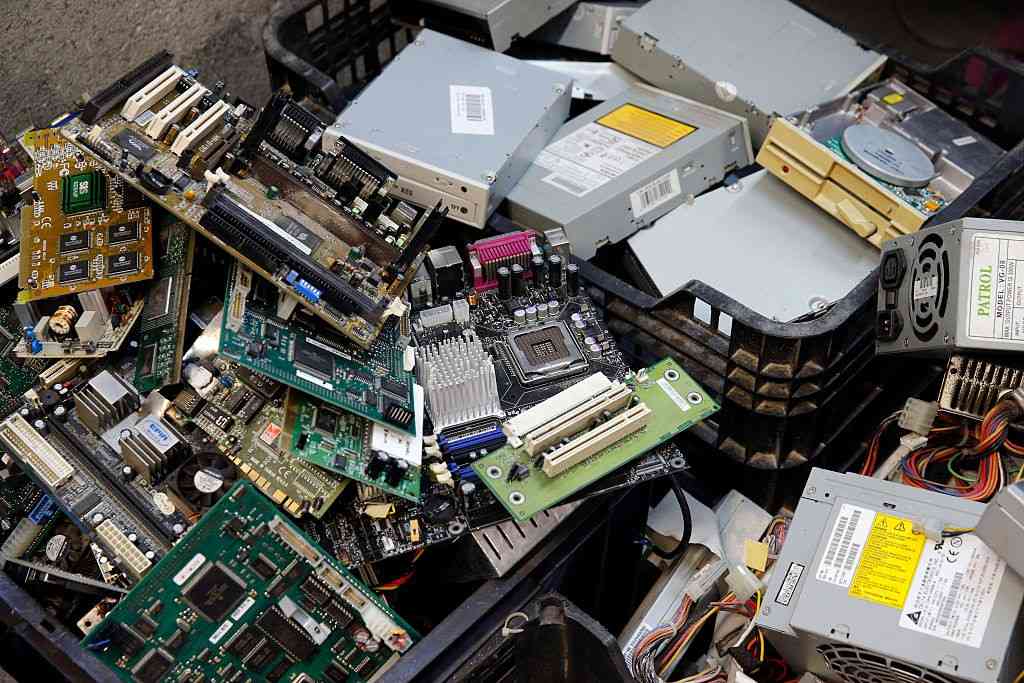
Why Old Computers Are a Prime Target for Data Breaches
When businesses replace computers, servers, or storage devices, they often assume the information is gone once the equipment is no longer in use. That assumption can be costly.
Even devices that appear outdated may contain years of sensitive information, including customer records, employee files, financial documents, passwords, emails, and proprietary business data. Criminals know older devices can be easier targets because organizations sometimes pay less attention to them once they’re removed from daily operations. An abandoned hard drive can become a gold mine for someone looking to steal information.
What Is a Data Breach?
Before discussing disposal risks, it helps to understand what is a data breach. A data breach occurs when sensitive, confidential, or protected information is accessed by unauthorized individuals. This can happen through cyberattacks, stolen credentials, insider threats, or improperly discarded devices.
The consequences often extend far beyond the initial incident. Businesses may face financial losses, operational disruptions, legal liabilities, reputational damage, and loss of customer trust. The breach itself may take only minutes. Recovering from it can take months or even years.
Common Improper Disposal Practices That Create Risk
Many businesses unknowingly create vulnerabilities when retiring old technology. Some of the most common examples include:
- Throwing Devices Away: Placing computers, laptops, or storage devices in dumpsters or general waste containers is one of the riskiest disposal methods. Once equipment leaves your control, so does the data stored on it.
- Storing Equipment Indefinitely: Many organizations keep outdated devices in closets, warehouses, or back offices. While this may seem safer than disposal, it can create long-term security risks if equipment is forgotten, stolen, or improperly handled later.
- Donating Devices Without Data Destruction: Donating older equipment can be beneficial, but sensitive information must be properly removed first. Simply resetting a device is often not enough.
- Using Unverified Disposal Providers: Not every recycling company follows secure data destruction procedures. Businesses that fail to vet providers may unknowingly expose confidential information.
These examples of improper disposal happen more often than many organizations realize.
How Data Remains Recoverable Even After Deletion
One of the biggest misconceptions in data security is believing that deleted files are permanently gone. In reality, deleting a file often removes only the reference to the data rather than the data itself. Until the storage space is overwritten, information can frequently be recovered using specialized software.
Even formatting a hard drive may not completely eliminate recoverable data. That’s why professional destruction methods are so important. Proper sanitization, degaussing, or physical destruction helps ensure information cannot be reconstructed later. If sensitive data remains accessible, the risk remains as well.
Types of Sensitive Data Exposed Through Poor Disposal
The information stored on retired devices can affect nearly every area of a business. Examples may include:
- Customer records
- Employee files
- Payroll information
- Tax documents
- Medical records
- Legal documents
- Financial statements
- Vendor contracts
- Login credentials
- Intellectual property
For medical offices, law firms, financial organizations, and other professional businesses, exposure of this information can create serious compliance concerns. Even a single discarded laptop may contain thousands of records.
Compliance Failures Linked to Improper IT Disposal
Data security isn’t only a best practice. In many industries, it’s also a requirement. Organizations that fail to properly dispose of electronic devices may face compliance violations related to privacy regulations, industry standards, or contractual obligations.
Auditors increasingly expect businesses to demonstrate how sensitive information is protected throughout its entire lifecycle, including final disposal. Without documented procedures, organizations may struggle to prove that retired assets were handled securely.
This is one reason why many companies now incorporate disposal protocols directly into their information security programs.
The Role of Secure Data Destruction in Prevention
Secure data destruction eliminates the information before equipment leaves your control. Rather than relying on simple deletion, professional destruction methods are designed to make recovery impossible. Depending on the device and security requirements, destruction may involve:
- Hard drive shredding
- Physical media destruction
- Data sanitization
- Degaussing
- Secure electronic recycling
When performed correctly, these methods dramatically reduce the risk of future exposure. A proactive approach is often far less expensive than responding to a breach after the fact.
Importance of Chain of Custody & Documentation
Security doesn’t end once equipment is collected. Businesses should also know where their devices go, who handles them, and how destruction is verified. This is where chain of custody becomes critical.
A documented chain of custody provides accountability from collection through final destruction. It helps prevent unauthorized access and creates a clear record of how assets were managed. Documentation may include:
- Asset inventories
- Collection records
- Transportation logs
- Destruction verification
- Certificates of destruction
These records provide valuable proof that sensitive information was handled responsibly.
Small Disposal Mistakes Can Lead to Big Problems
Most businesses invest significant resources in cybersecurity. Yet all of those efforts can be undermined if retired devices are discarded improperly. Old computers, servers, and hard drives often contain far more information than people realize. Without secure disposal procedures, those devices can become an unexpected source of risk.
Understanding what is a data breach and how the improper disposal of used computers contributes to security incidents helps organizations build stronger protection strategies for the future.
Protect Your Business Before Old Devices Become a Liability
Retired technology should never become a security vulnerability. Document Shredding & Storage Ltd. helps businesses throughout Amarillo, Lubbock, the South Plains, West Texas, and Eastern New Mexico securely destroy sensitive data and responsibly dispose of outdated electronic equipment.
Whether you’re replacing a few office computers or managing a large technology refresh, our team provides dependable service, secure handling, and documented destruction processes that give you peace of mind.
For even stronger protection, consider pairing secure IT asset disposal with recurring document shredding and e-waste recycling services as part of a complete information security program.
Frequently Asked Questions
Many business owners understand the importance of cybersecurity but have questions about what happens when devices reach the end of their useful life. Here are some common questions about computer disposal and data security.
What Is a Data Breach?
A data breach occurs when sensitive or confidential information is accessed, viewed, stolen, or exposed by unauthorized individuals.
Can Deleted Files Still Be Recovered?
Yes. In many cases, deleted files remain recoverable unless proper data destruction or sanitization methods are used.
Why Is Improper Disposal of Used Computers Risky?
Old devices often contain customer information, financial records, passwords, and other sensitive data that can be recovered if the equipment is not securely destroyed.
What Is the Safest Way to Dispose of Old Computers?
The safest option is to work with a trusted provider that offers secure data destruction, documented chain of custody procedures, and responsible electronics recycling.
Should Businesses Keep Records of Data Destruction?
Absolutely. Documentation helps demonstrate compliance, supports audits, and provides proof that sensitive information was destroyed properly.