Ultimate Guide to Best Shredding Practices for Businesses
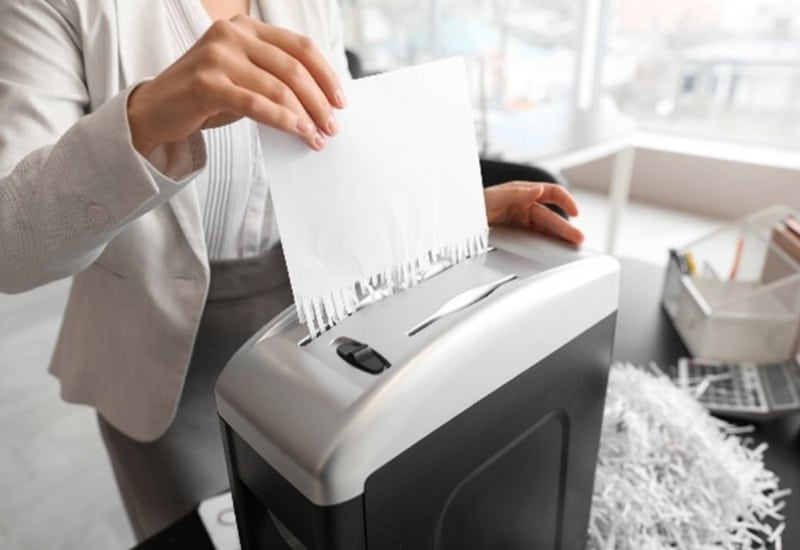
Protecting sensitive information isn’t glamorous, but it’s absolutely essential. With the right secure shredding guidelines, your business can simplify document shredding and keep confidential data out of the wrong hands. Learn all about the best shredding practices for businesses, including what to shred and when, choosing the right partner, and building a compliant shredding policy for your company.
Why Shredding Matters for Your Business
The purpose of shredding isn’t just to clear out old paperwork. It defends your business against data breaches, identity theft, and legal trouble. Every file with personal or financial information poses a risk if you merely toss it in the trash or recycling bin. Companies that handle payroll, customer contracts, tax info, or health records must protect that data. Shredding stops sensitive information from becoming accessible to identity thieves or competitors.
In many industries, shredding is required for regulatory compliance. Rules such as HIPAA for medical data, FACTA for consumer info, and other regulations govern how and when to dispose of sensitive material. Using a certified partner and following business shredding compliance tips helps you meet these requirements. It can also protect your business from costly penalties or reputational damage.
Identify What Documents to Shred
Before you start shredding, know which documents are the most important to destroy. The paperwork at the top of your list includes:
- Financial statements, including payroll, invoices, and bank information
- Customer records, especially those containing sensitive data
- Employee files with ID numbers, SSNs, or benefits info
- Contracts, legal paperwork, and proprietary notes
Essentially, any document containing personal, account, or confidential information belongs in the shred pile. When in doubt, shred it!
Know When to Shred Documents
Set guidelines for your company based on the type of information you handle. For instance:
- Tax returns and other financial records must be retained for seven years in case of audits or disputes.
- Employee records often have retention requirements ranging from three to seven years after employment ends.
- Contracts and other legal documents should be kept for the life of the agreement plus several years in case of claims or enforcement issues.
- Healthcare, financial services, and government-related businesses may have longer, or stricter retention rules tied to industry regulations.
Once a document reaches the end of its retention window, shred it promptly.
Choose the Right Shredding Service Provider
Using a professional shredding service saves time and reduces risk compared to shredding everything in-house. Commercial shredders provide greater security, documented proof of destruction, and consistent processes that help businesses meet compliance requirements, all without pulling employees away from their actual work.
Even so, not all providers are created equal. When vetting the company you want to work with:
- Ask if they hold industry certifications, such as NAID. Certified processes mean stronger security standards.
- Find out if they offer on-site (mobile) shredding if you want to watch materials being destroyed.
- Request shred collection containers if you generate a lot of confidential paperwork and need to store it securely before shredding takes place.
- Confirm that they will provide a certificate of destruction as proof that sensitive records were securely shredded.
- Choose a partner that fits your needs, whether you’re looking for a one-time purge, regularly scheduled shredding, or both.
Establish a Routine Shredding Schedule
Once you know what to shred and select a provider, the next step is consistency. Create a shredding schedule that matches your document flow. Some teams need weekly service to keep up, while others may do monthly or quarterly pickups.
Whatever schedule you choose, staff should know to place documents in locked bins around your office until the shredding service arrives. These containers come in different sizes, from personal desk consoles to 96-gallon bins. Only authorized staff should have access to these bins to keep papers away from prying eyes.
Routine shredding reduces the risk of sensitive documents lingering too long. It also keeps your office cleaner and makes compliance easier to track. A predictable schedule helps your team treat shredding like a standard business process, not a chore that’s easy to push aside.
Build a Business Shredding Policy Document
A formal shredding policy helps companies turn good intentions into consistent action. Here’s what to cover:
- What types of documents require shredding
- How long must various records be retained before shredding
- Who is responsible for placing documents in secure bins
- How often does shredding occur (weekly, monthly, quarterly)
- What proofs (like certificates of destruction) must be collected
Train employees on this policy so they’re confident about what goes in the shredding bin and when. Conduct onboarding sessions for new employees and regularly remind your staff to keep security top of mind.
Handle Documents Properly in Hybrid or Remote Work Settings
Hybrid and remote workers create new risks. Employees may print files at home, store sensitive paperwork in unsecure locations, or dispose of records in the trash. Clear expectations help protect sensitive information, even when work happens outside the office. Here’s what to do:
- Set clear rules for when printing is allowed.
- Require confidential documents to be stored securely, such as in approved shredding containers.
- Prohibit tossing work papers into household trash or recycling bins.
- Provide guidance on safely transporting documents back to the office for destruction.
Consider Sustainability Alongside Security
Many service providers offer shredded paper recycling to reduce the environmental impact. Recycling keeps paper out of landfills, reduces the need for water and oil used in paper production, prevents trees from being cut down, and saves electricity. It’s the perfect way to round out the document shredding process.
Schedule Secure Shredding in TX, OK & NM
Now that you know the top corporate shredding best practices, it’s time to put them into action. Take the first step by reaching out to Document Shredding & Storage. We’re a locally owned provider serving West Texas, the South Plains, the Oklahoma Panhandle, and Eastern New Mexico with certified, secure, convenient shredding services you can trust. We show up when we say we will, offer straightforward billing, and deliver excellent customer service. Contact us today to help building or enhancing your shredding policy and protect sensitive information with confidence.